

This post contains Amazon affiliate links. Petals Planners may earn a small commission from qualifying purchases at no additional cost to you.

One of the most common questions couples ask while building their wedding-day timeline is, “How long does a wedding ceremony last?”
For most weddings, the ceremony lasts approximately 20 to 30 minutes. However, your ceremony could be as short as 10 minutes or last an hour or longer depending on your religious traditions, wedding-party size, readings, music, and any unity rituals you choose to include.
The goal is not to make your ceremony fit an exact number of minutes. It is to create a meaningful experience that gives every important moment enough time without leaving you or your guests feeling rushed.
Quick answer:
A traditional nonreligious wedding ceremony usually lasts 20 to 30 minutes. Religious ceremonies often last 30 to 60 minutes or longer, while a simple courthouse or elopement ceremony may only take 5 to 15 minutes.
Average Wedding Ceremony Lengths
Every wedding is different, but these general time ranges can help you determine how much room to reserve in your wedding-day timeline.
- Courthouse or legal ceremony: 5–15 minutes
- Elopement ceremony: 10–20 minutes
- Nonreligious wedding ceremony: 20–30 minutes
- Religious wedding ceremony: 30–60 minutes
- Ceremony with a full Mass or extended traditions: 45–90 minutes
- Wedding ceremony with several readings or unity rituals: 30–45 minutes
When estimating your ceremony length, remember that the time printed on the invitation is usually the ceremony start time. It does not include the time guests spend arriving, finding their seats, or waiting for the processional to begin.
Guests should normally begin arriving approximately 30 minutes before the ceremony. Your planner, coordinator, venue, and officiant can help determine the best arrival and seating schedule for your location.

What Happens During a Wedding Ceremony?
Understanding each part of the ceremony will make it easier to estimate the total length. A typical wedding ceremony may include:
- Guest seating and prelude music
- Seating of parents or grandparents
- The wedding-party processional
- The couple’s entrance
- Welcome and opening remarks
- Readings, prayers, or a short message
- Declaration of intent
- Wedding vows
- Ring exchange
- A unity ceremony or cultural tradition
- Pronouncement of marriage
- The first kiss
- The recessional
You do not have to include every one of these elements. Your officiant can help you select the parts that best reflect your relationship, beliefs, and personalities.
A Sample 25-Minute Wedding Ceremony Timeline
Here is an example of how a traditional nonreligious wedding ceremony could flow:
0:00–0:05 | Processional
Parents, grandparents, wedding-party members, and the couple enter the ceremony space.
0:05–0:08 | Welcome and introduction
The officiant welcomes the guests and shares a few opening words.
0:08–0:13 | Reading or ceremony message
A loved one may share a reading, or the officiant may speak about marriage and the couple’s relationship.
0:13–0:18 | Vows
The couple shares traditional, personalized, or private vows.
0:18–0:21 | Ring exchange
The couple exchanges rings and repeats the selected ring wording.
0:21–0:23 | Pronouncement and first kiss
The officiant officially pronounces the couple married.
0:23–0:25 | Recessional
The newlyweds and wedding party exit while guests celebrate.
This timeline may become longer if you have a large wedding party, multiple readings, live musicians, personal vows, a memorial moment, or a unity ceremony.
How Long Does the Wedding Processional Take?
The average wedding processional takes approximately 3 to 8 minutes. A small wedding party may enter very quickly, while a large wedding party or a long ceremony aisle will require more time.
The processional length can also depend on:
- The number of attendants
- Whether attendants walk individually or in pairs
- How many parents and grandparents are formally seated
- The distance between the ceremony entrance and altar
- Whether a flower child or ring bearer participates
- The number and length of processional songs
Your ceremony rehearsal gives everyone a chance to practice their pace, spacing, entrance order, and where they should stand. This is especially important when children are participating.

How Long Should Wedding Vows Be?
Personal wedding vows are often one of the most memorable parts of the ceremony. In most cases, each partner’s vows should last approximately one to two minutes.
That is usually enough time to share a meaningful message, a few promises, and what you love about your partner without turning the vows into a full speech.
If you are writing your own vows, agree on an approximate length beforehand. One person reading for 30 seconds while the other reads for five minutes can make the moment feel unbalanced.
Wedding Ceremony Details That Can Add Time
Adding personal touches can make your ceremony more meaningful. Just remember that each additional element will affect your timeline.
Readings
A typical wedding reading lasts approximately two to four minutes. Remember to include the time the reader needs to walk to the front, get situated, and return to their seat.
Live Music
A full song can add three to five minutes. If you are using live musicians, confirm whether they will perform the entire song or stop at a planned point.
Unity Ceremonies
Candle lighting, handfasting, sand ceremonies, tree planting, and similar traditions can add approximately three to ten minutes.
Religious or Cultural Traditions
Prayers, blessings, Communion, ceremonial circling, family rituals, and cultural traditions may add significant time. Your officiant or religious leader should be able to provide the most accurate estimate.
Memorial Moments
A reading, reserved seat, photograph, candle, or moment of silence can honor a loved one without requiring a lengthy ceremony addition.
A memorial chair sign can help create a thoughtful tribute while keeping the reserved seat visually connected to the rest of your ceremony décor.
View the HunnmingRe Wedding Memorial Chair Sign on Amazon

Should You Have a Short or Long Wedding Ceremony?
There is no perfect ceremony length for every couple. Consider the experience you want to create and the traditions that matter most to you.
A Shorter Ceremony May Be Best When:
- You are planning a simple elopement or micro wedding
- You prefer a brief, modern ceremony
- Your ceremony is outdoors in very hot or cold weather
- Many guests will be standing
- You have young children participating
- You want to move quickly into cocktail hour and the reception
A Longer Ceremony May Be Best When:
- Your religious or cultural traditions require additional time
- You want to include several readings or musical performances
- You are writing longer personal vows
- You want to include family participation or a unity ritual
- The ceremony itself is a major focus of your wedding celebration
Wedding Ceremony Décor Ideas
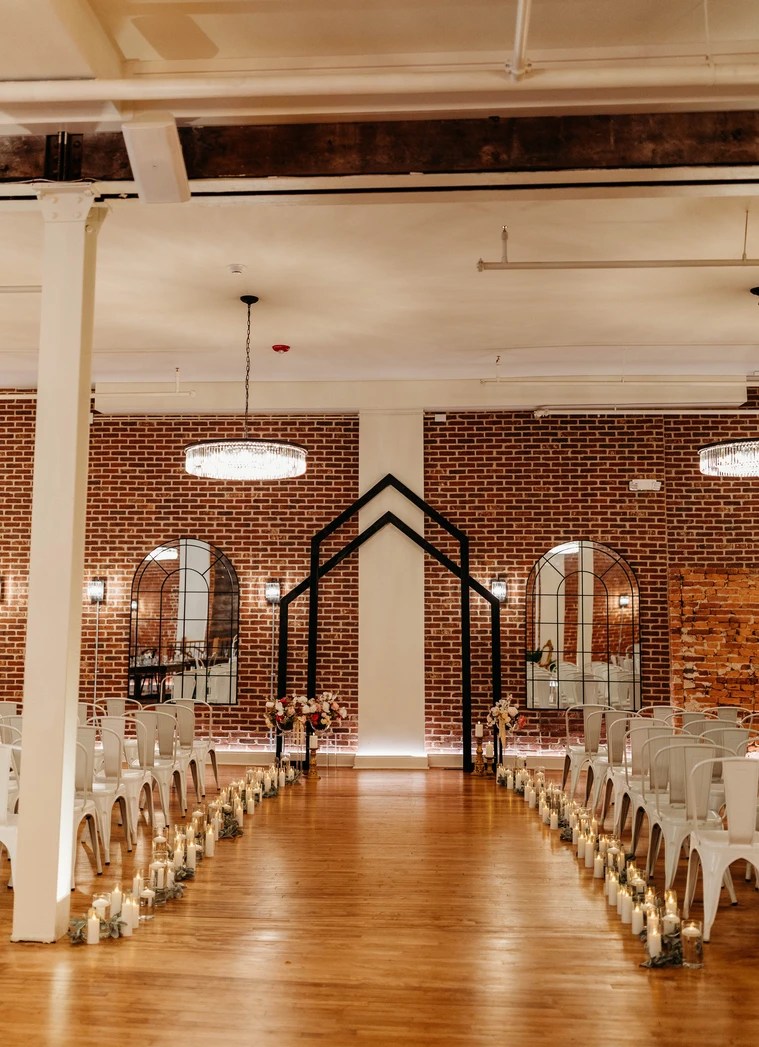
Your ceremony may only last 20 to 30 minutes, but it is still the setting for some of the most important moments and photographs of your wedding day. A few thoughtfully selected decorations can define the space without making setup overly complicated.
Before purchasing ceremony décor, confirm what your venue already provides. Our guide to what to expect during a wedding venue tour includes additional details to look for before booking your location.
Welcome Sign and Stand
A welcome sign helps guests confirm that they have arrived at the correct ceremony and creates a polished first impression. Place it near the venue entrance, ceremony walkway, or guest-book area.
Shop this wedding welcome sign stand on Amazon
Floral Aisle Decorations
Hanging mason jars and shepherd’s hooks are a pretty option for rustic, garden, barn, or outdoor ceremonies. They can line the entire aisle or simply mark the first few rows.
Shop the Thiccywoov mason jar and shepherd’s hook aisle decorations on Amazon
Reserved Ceremony Seating
Reserved signs can designate seats for parents, grandparents, immediate family members, or special guests. Place them before general seating begins so guests do not accidentally select those chairs.
Shop the set of 12 black velvet reserved chair signs on Amazon
Floral Garlands
Artificial eucalyptus and floral garlands can decorate an arch, welcome sign, ceremony table, aisle entrance, or reserved family row. They can also be moved to the reception after the ceremony for additional value.
Shop the artificial eucalyptus garlands with white flowers on Amazon
Repurposing ceremony décor at the reception is one of the easiest ways to make your wedding budget go further. You can find additional inspiration in our guide to DIY wedding table décor ideas.
Rustic Burlap Aisle Runner
An aisle runner can visually define the ceremony space, especially when the ceremony is taking place on grass, inside a large venue, or in an open outdoor area.
Shop the 15-foot burlap and lace wedding aisle runner on Amazon
Always check the surface before using an aisle runner. Runners should be secured properly to help prevent shifting, bunching, or tripping. They may not be suitable for every grassy or uneven ceremony location.
Artificial Rose Petals
Artificial flower petals can be placed along the aisle, added to a flower-child basket, or used around a welcome sign. Before scattering petals, ask your venue whether artificial petals are permitted and who is responsible for cleanup.
Shop the 300-piece ivory faux silk rose petal set on Amazon
Ring Security Case
A playful ring-security case can help a young ring bearer feel excited about their ceremony role. For safety, many couples place decorative rings inside the case while the best man, maid of honor, or officiant holds the real wedding bands.
Shop the ring-security wedding ring bearer case on Amazon

How to Keep Your Wedding Ceremony on Schedule
Even a carefully planned 25-minute ceremony can begin late when guests, vendors, or wedding-party members are unsure where to go. These steps can help your ceremony start and end on time:
- Confirm the final ceremony structure with your officiant
- Practice the processional during the rehearsal
- Give the wedding party a firm arrival time
- Assign someone to greet and direct vendors
- Ask ushers to begin seating guests early
- Keep personal vows within an agreed length
- Test microphones and ceremony music before guests arrive
- Place rings, vows, and ceremony items in one designated location
- Build a small amount of buffer time into the schedule
- Choose one person to cue the processional and communicate with vendors
A wedding coordinator can manage these details while you and your family focus on getting ready and enjoying the experience.
Remember to Plan the Ceremony-to-Reception Transition
Your ceremony timeline does not end immediately after the first kiss. You will also need to account for the recessional, family photographs, wedding-party portraits, guest movement, cocktail hour, décor relocation, and any transportation between locations.
If the ceremony and reception are at the same venue, guests may begin moving toward cocktail hour as soon as the recessional ends. If they are at different locations, your invitations, wedding website, signage, and transportation plan should clearly explain where guests need to go next.
Once guests reach the reception, your bar plan also affects the flow of the evening. These resources can help:
- How Much Alcohol Do You Need for a Wedding?
- Signature Drink Signs and Wedding Bar Display Ideas
- Petals Planners Bartending Services
How Early Should You Begin Planning the Ceremony?
You do not need to write every ceremony word immediately after getting engaged, but you should confirm your venue and officiant early in the planning process.
Our wedding vendor booking timeline can help you determine when to reserve your officiant and other important professionals.
As your wedding approaches, confirm:
- The ceremony start time
- The wedding-party arrival time
- The order of the processional
- Who will escort each family member
- The officiant’s ceremony wording
- Your vows and readings
- The ring holder
- Your ceremony music selections
- Any memorial or unity items
- The ceremony rehearsal time
- The rain or severe-weather backup plan
Keep all ceremony items together and clearly labeled. Our list of must-have wedding-day essentials can help you prepare for small problems before they become stressful.
What Should Guests Wear to the Ceremony?
The ceremony location, season, start time, and level of formality should guide guest attire. Outdoor ceremonies may require comfortable shoes, layers, sun protection, or weather-appropriate clothing.
Guests looking for outfit inspiration can explore:
Do Not Forget Ceremony Expenses in Your Budget
Ceremony-related expenses can include an officiant fee, marriage-license costs, musicians, sound equipment, aisle décor, an arch, chair rentals, transportation, programs, signage, and rehearsal expenses.
Some venues include these items while others charge separately. Review our wedding budget breakdown and hidden-cost guide before finalizing your ceremony purchases.
Frequently Asked Questions About Wedding Ceremony Length
Is a 15-minute wedding ceremony too short?
No. A 15-minute ceremony can still include an entrance, welcome, vows, ring exchange, pronouncement, first kiss, and recessional. It is an excellent length for an elopement, micro wedding, or simple nonreligious ceremony.
Is 30 minutes long enough for a wedding ceremony?
Yes. Thirty minutes is enough for most traditional nonreligious ceremonies and provides room for a reading, personal vows, and a unity ritual without making the ceremony feel rushed.
Can a wedding ceremony last an hour?
Yes. Religious ceremonies, ceremonies that include a full Mass, and celebrations with multiple cultural traditions may last an hour or longer. Let guests know what to expect, particularly when seating, weather, accessibility, or childcare may be a concern.
Does the processional count as part of the ceremony?
Yes. The processional is normally included when calculating the total ceremony length. Prelude music and early guest seating are usually treated as separate pre-ceremony time.
How much time should be scheduled between the ceremony and reception?
If everything is at one location, cocktail hour can usually begin immediately after the ceremony. If guests need to travel, provide enough time for the drive, parking, and venue entry. You should also consider whether the couple and wedding party will remain behind for photographs.
Should the ceremony start at the exact time printed on the invitation?
Ideally, yes. A small delay may be unavoidable, but intentionally planning to start late can create problems for transportation, photography, catering, cocktail hour, and the reception schedule.
Let Petals Planners Help Coordinate Your Wedding Ceremony
Your wedding ceremony should feel emotional, personal, and joyful—not like a list of details you have to manage yourself.
Petals Planners can help organize your processional, communicate with your officiant and vendors, guide your wedding party, oversee ceremony décor, cue the music, manage timing, and make sure everyone knows where they need to be.
Planning a Wedding in Western Maryland or the Surrounding Area?
Explore our wedding coordination and planning options to find the level of support that fits your celebration.
Final Thoughts: How Long Should Your Ceremony Be?
Most wedding ceremonies last between 20 and 30 minutes, but the right length is the one that allows you to include your most meaningful traditions without making the experience feel rushed or unnecessarily long.
Start by confirming the required elements with your officiant. Then add the personal touches that matter most to you, estimate the timing of each section, and practice everything during your rehearsal.
With a thoughtful timeline and someone managing the details, you can be fully present for the moment you have spent months—or even years—waiting to experience.
Leave a Reply